
As it redoubles its efforts to fend off Android in emerging economies, Nokia has released new Symbian low end handsets as well as the N9 smartphone, powered by the MeeGo operating system. But whatever the strengths of the new devices, these are diluted by the knowledge that their operating systems are now merely stopgaps while Nokia moves towards Windows Phone 7. The WP7 strategy remains frustratingly elusive, but the N9 reveals some clues, pointing towards the user experience that the vendor is creating for its forthcoming OS.
The decision to go ahead with the promised N9 - even though MeeGo has been relegated to an open source research project within Nokia - seems an odd one for a firm that has been reining in its R&D spend. But there is some method in the madness. The phone may be a dead-end product, but it is more than just an update for the equally single-generation N900 (which ran Maemo, the Linux-based OS that Nokia merged into its MeeGo project with Intel). It seems likely to be a first shot at a new mobile user interface, which Nokia can test in a low key way, with little loss of face should it prove wanting.
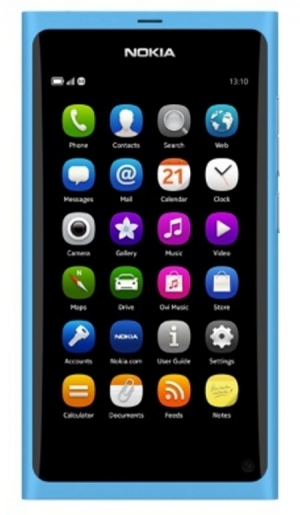
Many aspects of the N9 user experience point to the kind of overlay that Nokia is likely to put on its WP7 handsets. One of the few details known of its licensing deal for the Microsoft OS is that it will have greater freedom than other partners to customize the platform and create its own user experience. But it is also borrowing from its new best friend - for instance, the N9 UI includes tiles similar to those that characterize Microsoft's own innovative WP7 interface.
Nokia CEO Stephen Elop, introducing the new devices at the CommunicAsia event, said the N9 aimed to showcase new ways to use a phone, and said that many of these developments would be transferred to upcoming Nokia models. Key is the Swipe feature, which uses the finger to get back to the home page, doing away with a 'home' key; and there are also three home views in a carousel for apps, social networking feeds, and calendar and app switching - all somewhat reminiscent of Microsoft.
Elop and his executives scarcely mentioned MeeGo during the launch, but stressed the UI, but they were more loyal to Symbian, pledging their commitment to the venerable OS yet again - despite reports of lack of channel enthusiasm. Over the next year, the vendor plans to introduce 10 Symbian devices, with the 'Anna' OS updated becoming available in August.
The C2-03, a touch-and-type device combining a touchscreen and a keypad, will support dual SIM cards and will run maps and location-based services without the user needing a carrier plan. "Touch-and-type allows them to introduce something at the low end that other guys don't have quite yet," Mikko Ervasti, an analyst at Evli Bank, told Bloomberg. "It will help to get some part of the market in the low end."
"The reality is that 90% of the world does not have, or cannot afford, a smartphone or a high end device," said Elop in his CommunicAsia speech. "This gap creates an opportunity."